
Music education in 2026 exists at the intersection of established tradition and continuous innovation. While the core fundamentals of musical instruction—practice, discipline, music theory, and performance—remain unchanged, the ways that students access and experience music learning have expanded significantly.
Families and students are now facing more choices than ever, ranging from early childhood programs to international schools, immersive learning experiences, and personalized instruction models. With these opportunities comes the challenge of navigating costs, time commitments, and long-term planning.
This comprehensive guide is designed to help families, students, and educators make more informed decisions about pursuing music education in today’s evolving educational landscape. By exploring practical strategies, financial considerations, and learning pathways, readers can better understand how to build a meaningful, sustainable, and rewarding musical journey.
Laying the Foundation for Musical Growth in Early Childhood
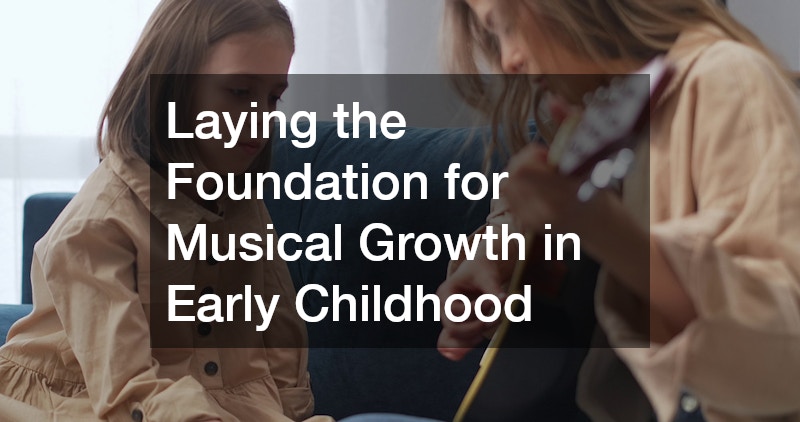
Early childhood is often where a lifelong relationship with music begins. At this stage, the goal is not mastery or technical perfection but exposure, curiosity, and enjoyment. Young learners benefit most when music is presented as a natural extension of play and exploration rather than a rigid academic subject.
Programs designed for early learners focus on rhythm, listening skills, and simple movement. Singing songs, clapping patterns, and experimenting with basic instruments help children develop coordination and auditory awareness. These activities also support broader developmental milestones, including language acquisition, memory, and emotional expression.
Families often wonder when structured instruction should begin. While some children show interest early, others benefit from a slower introduction that emphasizes creativity over performance. A high-quality preschool music program can strike this balance by blending guided activities with free exploration. Rather than emphasizing outcomes, these programs nurture confidence and curiosity, allowing children to associate music with enjoyment rather than pressure.
Parents should observe how children respond to musical activities. Signs of readiness include sustained interest, willingness to repeat activities, and excitement around sound and movement. By focusing on engagement rather than achievement, families can set the stage for long-term success without overwhelming young learners.
Assessing the Quality of School-Based Music Programs
As children grow older, school-based music programs often become the backbone of their musical education. However, the quality and depth of these programs vary widely, making careful evaluation essential.
When considering enrollment in a private school, families should look beyond marketing materials and examine how music is integrated into the broader curriculum. Strong programs treat music as a core discipline rather than a supplemental activity.
Key factors to evaluate include:
-
Instructional time: Consistent, scheduled rehearsal or lesson time is crucial for skill development.
-
Faculty expertise: Instructors with performance and teaching experience bring depth and credibility to the program.
-
Performance opportunities: Regular concerts, recitals, and ensemble work reinforce learning and build confidence.
-
Curriculum progression: A clear pathway from beginner to advanced levels ensures students are continuously challenged.
Families should also ask how students are assessed and supported. Programs that offer feedback, individualized guidance, and opportunities for growth tend to foster stronger outcomes. Visiting classrooms, attending performances, and speaking with current families can provide valuable insight into whether a school’s music program aligns with a student’s goals and learning style.
Accelerating Development Through Immersive Learning Experiences
Beyond traditional school-year instruction, immersive learning opportunities play a powerful role in accelerating musical growth. Short-term, intensive experiences allow students to focus deeply on their craft without the distractions of a full academic schedule, often leading to rapid skill development in a condensed period of time.
A well-structured summer camp provides concentrated instruction, peer collaboration, and exposure to new styles or techniques that may not be available during the school year. These environments encourage students to step outside their comfort zones while benefiting from daily practice, ensemble work, and expert guidance. For many learners, immersion leads to noticeable improvements in technique, confidence, and overall musical understanding.
Equally important are the social benefits. Learning alongside peers who share similar interests fosters motivation, accountability, and healthy competition. Students often return home energized, with renewed enthusiasm for practice and performance, as well as new friendships and musical influences.
Families selecting immersive programs should consider the balance between rigor and enjoyment. The most effective experiences challenge students while maintaining a supportive, inspiring atmosphere. By viewing these opportunities as purposeful complements to year-round study rather than replacements, students can make meaningful progress without burnout and sustain long-term engagement.
Broadening Musical Perspective Through Global Education Models
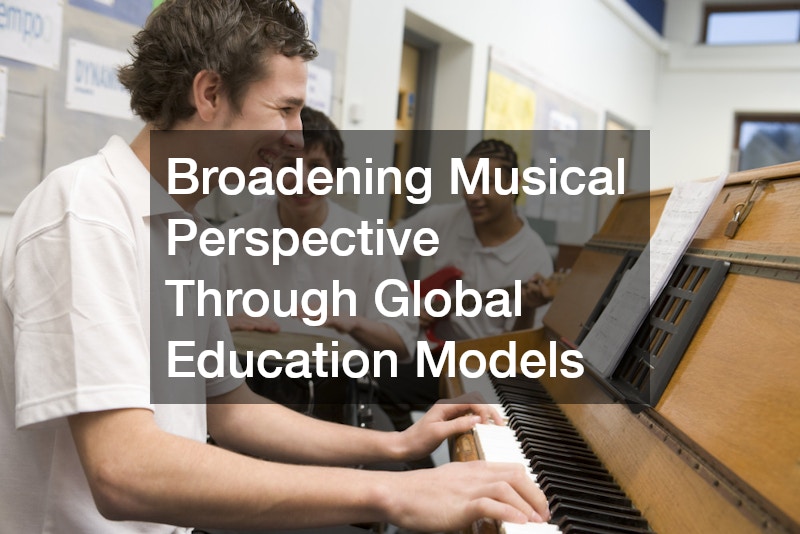
In an increasingly interconnected world, music education benefits from global perspectives. Exposure to different cultures, languages, and teaching philosophies helps students develop adaptability and a deeper appreciation for music as a universal form of expression.
Institutions like The Singapore American School, a multi-language school in Singapore, illustrate how international education models integrate music into a broader multicultural framework. Students in such environments often engage with diverse musical traditions while learning to collaborate across cultural boundaries.
Benefits of globally influenced music education include:
-
Expanded repertoire: Exposure to classical, contemporary, and traditional music from multiple cultures.
-
Language integration: Learning musical terminology across languages enhances cognitive flexibility.
-
Collaborative skills: Working with peers from varied backgrounds strengthens communication and teamwork.
-
Global awareness: Students gain insight into how music reflects history, values, and identity worldwide.
Even for families not pursuing international schooling, these models offer inspiration. Incorporating multicultural repertoire or global teaching approaches into local programs can enrich learning and prepare students for a diverse artistic landscape.
Creating Supportive and Secure Learning Environments
A successful music education experience depends not only on instruction quality but also on the environment in which learning takes place. Students perform best when they feel supported, respected, and encouraged to take creative risks without fear of embarrassment or harsh criticism.
Programs should prioritize physical and emotional safety. This includes appropriate rehearsal spaces, clear behavioral expectations, and instructors trained to foster positive learning dynamics. A safe environment allows students to focus on growth rather than fear of judgment or failure, which is especially important during performances and evaluations.
Emotional support is equally important. Music study can be demanding, and students may experience frustration, self-doubt, or performance anxiety at different stages. Educators who emphasize progress over perfection help learners build resilience and confidence. Incorporating constructive feedback, mindfulness techniques, and goal-setting strategies can further reduce stress. Encouraging open communication between students, teachers, and families strengthens this support system and ensures concerns are addressed early.
When students feel secure, they are more willing to experiment, perform, and persevere through challenges. This foundation not only improves musical outcomes but also contributes to personal development, self-esteem, and a more positive long-term relationship with music.
Planning for the Financial Realities of Music Education
Music education is rarely a short-term investment. As students advance, costs often increase due to private lessons, travel, performances, and specialized instruction. Thoughtful financial planning helps families manage these expenses without sacrificing quality.
Establishing a dedicated savings account for music-related costs can provide structure and peace of mind. Even modest, consistent contributions add up over time, reducing the stress of unexpected expenses.
Effective financial planning strategies include:
-
Budgeting annually: Anticipate lesson fees, materials, and event costs for the year ahead.
-
Prioritizing expenses: Focus spending on instruction and experiences that offer the greatest educational value.
-
Planning for growth: Account for increased costs as students move to advanced levels.
-
Reviewing options regularly: Adjust plans as goals and circumstances evolve.
By approaching music education with a long-term financial perspective, families can make informed decisions that support sustained learning and development.
Accessing Instruments and Resources Without Excessive Costs
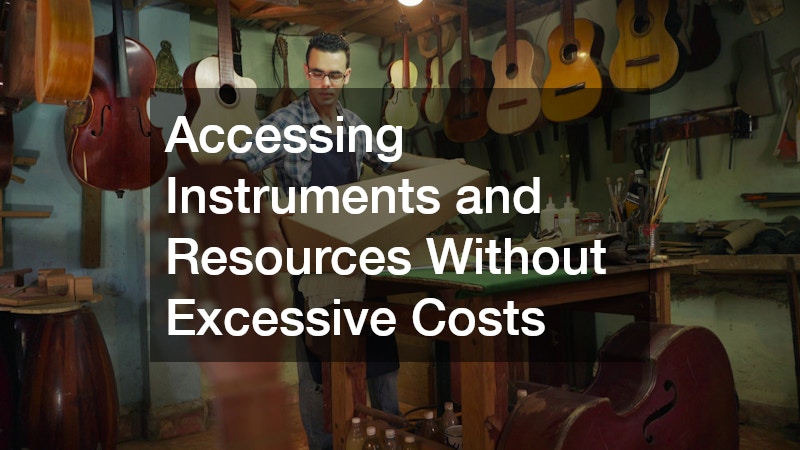
Instruments and equipment are essential components of music education, but they can also represent a significant financial burden. Choosing the right approach depends on a student’s level, commitment, and growth trajectory, as well as how quickly their skills and physical needs are likely to change.
For beginners, flexibility is key. Equipment rental offers an accessible way to start without committing to a costly purchase. Rentals allow students to explore different instruments, adjust sizes as they grow, and upgrade easily as skills develop. This approach also reduces risk if a student decides to switch instruments or pause lessons.
As students advance, purchasing an instrument may become more practical. Ownership allows for customization, consistent practice, and a deeper sense of responsibility, all of which can support technical development. Families should consult instructors before making major purchases to ensure the instrument matches the student’s needs, playing level, and long-term goals.
Balancing cost, quality, and flexibility helps families provide appropriate resources without overspending. Thoughtful planning ensures that access to equipment supports learning rather than limiting it, while allowing room for growth as a student’s musical journey evolves.
Strengthening Programs Through Community-Based Financial Support
Strong music programs often rely on community involvement to thrive. When public funding falls short, creative financial support becomes essential to sustain instruction, performances, and resources.
Effective fundraising ideas for schools focus on engagement and shared purpose. Rather than viewing fundraising as a burden, successful programs treat it as an opportunity to build community, increase visibility, and showcase student talent. Events tied to performances or open rehearsals help supporters see the direct impact of their contributions, making families, local businesses, and community members more invested in the program’s continued success.
Common approaches include:
-
Performance-based events: Concerts or recitals that invite community attendance and donations.
-
Collaborations with local businesses: Sponsorships or partnerships that benefit both parties.
-
Family-led initiatives: Parent committees that organize events or campaigns.
-
Grant applications: Seeking support from arts organizations and foundations.
When fundraising efforts align with educational goals, they reinforce the value of music education and strengthen connections between schools and their communities.
Adapting Instruction to Support Individual Learners
No two students learn music in exactly the same way. Recognizing and responding to individual differences is essential for meaningful progress and sustained motivation, particularly as students develop unique strengths, preferences, and challenges over time.
Effective instruction focuses on catering to a student’s needs by adjusting pace, teaching methods, and repertoire. Some students thrive with structured routines and clearly defined expectations, while others benefit from creative exploration and flexible lesson formats. This adaptability allows educators to meet learners where they are while still maintaining forward momentum and clear learning objectives.
Personalized approaches may include varying practice strategies, selecting music aligned with student interests, incorporating short-term milestones, or adjusting feedback styles to match how students best process guidance. Open communication between teachers, students, and families supports this adaptability and ensures expectations remain realistic, encouraging, and aligned with evolving goals.
When students feel seen and supported, they are more likely to remain engaged and committed, leading to stronger outcomes both musically and personally, as well as a deeper sense of confidence and enjoyment in their musical journey.
Understanding the Long-Term Value of Music Education
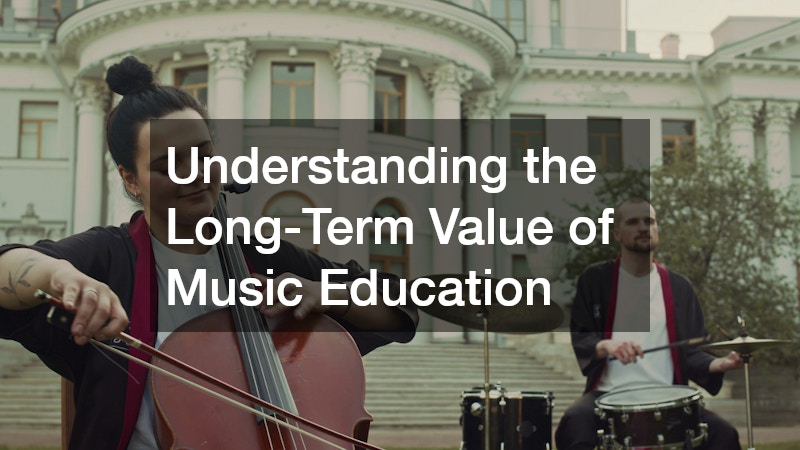
Music education offers benefits that extend far beyond technical skill. Over time, students develop discipline, creativity, and problem-solving abilities that translate into many areas of life.
The cumulative impact of quality instruction, mentorship, and performance experience is often worth its weight in gold. Students gain confidence, resilience, and a sense of accomplishment that supports academic and professional pursuits.
Long-term benefits include:
-
Cognitive development: Enhanced memory, focus, and analytical skills.
-
Emotional intelligence: Greater self-awareness and expressive ability.
-
Career versatility: Transferable skills applicable across industries.
-
Lifelong engagement: Music as a source of fulfillment and connection.
By viewing music education as a holistic investment, families and students can appreciate its enduring value beyond measurable outcomes.
Pursuing music education in 2026 requires thoughtful planning, informed decision-making, and a long-term perspective. From early exposure to advanced instruction, each stage presents unique opportunities and challenges that shape a student’s development. By understanding educational pathways, financial considerations, and the importance of supportive learning environments, families and students can make choices that align with both practical needs and personal goals.
Ultimately, music education is not defined by a single program or milestone but by sustained engagement and growth over time. Progress often unfolds gradually, through consistent practice, meaningful instruction, and reflective learning experiences. With the right approach, music education can become a powerful force for personal development, creative expression, and lifelong enrichment, offering benefits that extend well beyond the classroom and into many aspects of life.