Live music performances may look effortless, but every concert depends on careful planning, technical coordination, and preparation. From equipment delivery to final teardown, production crews manage details that affect sound quality, visual presentation, performer comfort, and audience safety. Each department must understand its responsibilities while coordinating with the rest of the production team.
Successful concerts require more than talented performers and an attractive stage. Organizers must prepare reliable communication systems, coordinate lighting, manage electrical requirements, and anticipate technical challenges. Large venues and outdoor festivals introduce additional considerations, including weather, transportation, cable routing, and crowd movement.
Understanding these behind-the-scenes processes helps event organizers, aspiring production professionals, and venue operators make informed decisions. With a structured approach to equipment selection, rehearsals, and logistics, production teams can reduce preventable delays and create a better experience for performers and attendees.
Coordinate Sound and Visual Elements Before the First Rehearsal
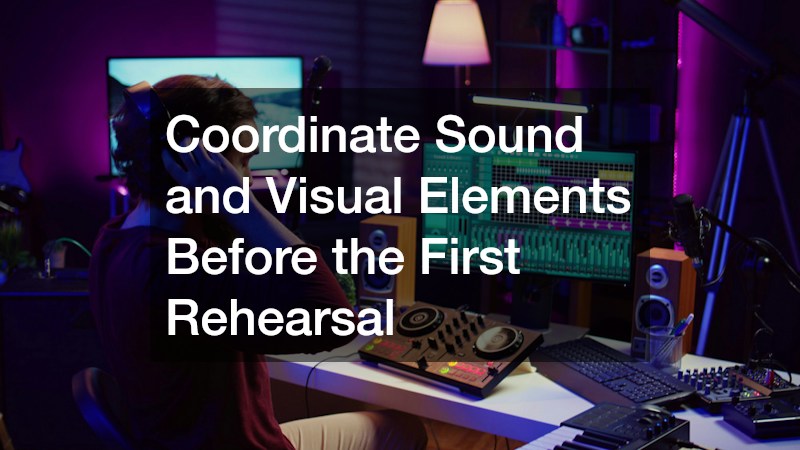
Plan a concert’s sound and visual elements together. Audio engineers, lighting operators, camera crews, and video technicians need a shared understanding of the stage layout, performance schedule, and creative direction. Professional audio video services can help coordinate these elements into a cohesive production.
Document the equipment each performer needs, including microphones, monitors, video inputs, and lighting cues. Technical rehearsals should test the complete setup, since individual components may behave differently when the entire system is running.
Use these steps to prepare:
- Create a schedule: List sound checks, lighting tests, rehearsals, and technical handoffs.
- Assign responsibilities: Identify who manages audio, video playback, cameras, and lighting.
- Prepare backups: Keep spare cables, microphones, adapters, and playback options available.
- Test transitions: Rehearse performer entrances and changes between sets.
Documenting test results gives the crew a reliable reference during the event and helps identify problems before the audience arrives.
Plan Specialized Equipment Needs for Stage Construction
Stage construction involves more than assembling platforms and decorative elements. Production teams must consider the materials used for risers, scenic structures, temporary walls, and fabricated components. Material quality and preparation can affect stability, durability, and reuse.
Wood is commonly used in scenic fabrication because it can be cut and shaped for different designs. However, moisture content and storage conditions matter. Poorly prepared wood may warp or change dimensions. Dry kiln equipment is used in controlled wood-drying processes that can prepare lumber for suitable fabrication applications.
Organizers should communicate material requirements to scenic builders and verify that fabricated components suit their intended use. Structural elements must be designed and installed by qualified professionals.
Before approving materials:
- Confirm intended use: Distinguish decorative scenery from structures supporting people or equipment.
- Review specifications: Ask fabricators about material suitability and limitations.
- Inspect components: Check for visible damage and unstable connections.
- Plan storage: Protect reusable scenery from moisture and damaging conditions.
These checks help production teams avoid preventable construction problems and protect materials between events.
Build Reliable Communication Between Production Crews
Clear communication helps concerts run smoothly when several departments must respond to the same cue. Stage managers coordinate performer entrances while lighting operators prepare transitions, audio engineers adjust levels, and security personnel manage access. Communication failures can cause missed cues and confusion.
Determine who needs direct communication and what information each group requires. Separate channels for stage management, technical operations, and safety coordination can reduce interruptions.
A refurbished telecom equipment seller may offer hardware options for productions seeking to expand or replace communication systems. Evaluate equipment condition, compatibility, maintenance history, and technical support rather than choosing based on price alone.
Build a practical communication plan:
- Assign channels: Establish separate channels where needed for production and safety.
- Standardize terminology: Agree on concise phrases for starting, holding, or stopping a sequence.
- Test coverage: Check backstage areas, control locations, and other work zones.
- Prepare alternatives: Identify backup devices or procedures for system failures.
Brief relevant personnel before doors open. A short communication check can reveal issues while there is still time to address them.
Select Safe Rigging Components for Overhead Equipment
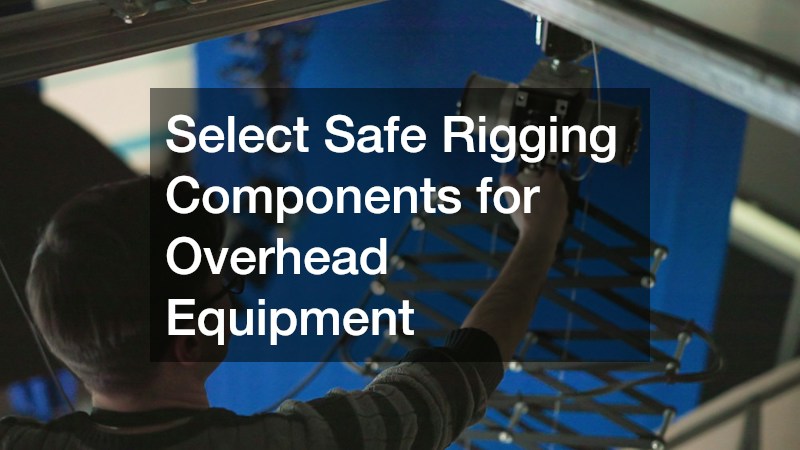
Concert rigging supports equipment such as speakers, lighting fixtures, and suspended scenery. Because falling loads can cause serious injuries, rigging decisions require verified specifications, compatible hardware, and professional installation.
A web sling manufacturer can provide information about sling construction, rated capacities, intended applications, and inspection requirements. However, selecting a sling is only one part of the process. The complete arrangement must account for the load, connection points, angles, and compatibility of every component.
Qualified rigging professionals should design and inspect the system. Organizers should never estimate capacity by appearance or substitute unverified components.
Before the event:
- Document specifications: Keep relevant ratings and manufacturer instructions available.
- Inspect components: Check for wear, damage, or deformation.
- Verify the setup: Have qualified personnel assess loads, attachment points, and compatibility.
- Restrict access: Keep unauthorized workers away from lifting operations and suspended loads.
Complete required inspections before equipment is lifted, and remove defective components from service.
Organize Post-Event Cleanup and Material Recovery
Concert teardown can generate packaging, beverage containers, promotional materials, damaged scenery, and other waste. Without a plan, crews may mix recyclable materials with general rubbish or discard supplies that could be reused.
Waste management should be included in the production schedule. Identify likely waste streams, position collection points, and assign responsibility for sorting and removal. Local recycling equipment and nearby processing facilities may help recover suitable materials, depending on local acceptance requirements.
Not everything belongs in a recycling bin. Contaminated packaging, composite materials, and damaged electrical components may require different handling. Confirm requirements with the relevant facility before collection begins.
A practical cleanup plan should:
- Separate materials: Label collection points for accepted recyclables and general waste.
- Recover reusable supplies: Store suitable decorations, hardware, and cables.
- Coordinate collections: Confirm pickup times and transport arrangements.
- Review waste: Identify recurring problems and adjust purchasing or setup practices.
Assigning these tasks in advance helps crews complete teardown efficiently while keeping dismantling operations organized.
Control Production Costs Without Sacrificing Quality
Concerts often require specialized equipment that organizers may only use occasionally. Purchasing every microphone, lighting fixture, video display, and staging component can tie up money that could support other production needs.
Equipment rental provides access to specialized systems without requiring organizers to purchase, store, and maintain every item. The actual value depends on rental rates, delivery charges, staffing, and frequency of use.
Create an equipment list based on the production design. Separate essential items from optional upgrades, then compare suppliers using the full cost rather than the advertised daily rate.
When reviewing rental options:
- Confirm availability: Reserve essential equipment early.
- Check compatibility: Verify connections and integration with existing systems.
- Clarify responsibilities: Confirm who handles delivery, setup, operation, and returns.
- Ask about replacements: Establish procedures for equipment failure.
- Inspect deliveries: Record missing accessories and visible damage.
An inventory during setup and teardown can also reduce misplaced equipment and unexpected charges.
Improve Signal Reliability Across Large Venues
Large concerts may need to transmit audio and video signals between cameras, control rooms, stages, and production areas. Outdoor festivals can present additional challenges because equipment may be spread across a large site.
Broadcast fiber optic systems can carry high-bandwidth signals over long distances in suitable production configurations. Their usefulness depends on the equipment interfaces, transmission requirements, and overall system design.
Plan cable routes before installing stages, barriers, and other structures. Routes that seem convenient in an empty venue may become inaccessible once equipment and crowds arrive. Appropriate cable protection also helps reduce trip hazards and accidental disconnections.
Production teams should:
- Map signal paths: Document sources, destinations, and connection types.
- Check compatibility: Confirm interfaces and equipment requirements.
- Protect cables: Follow manufacturer guidance for handling and routing.
- Test connections: Verify signals reach their destinations before performances.
- Prepare alternatives: Identify backup paths for critical feeds.
A documented signal plan helps technicians troubleshoot problems quickly during the event.
Adapt Live Production Techniques for Sports and Entertainment
Concert producers can borrow useful techniques from sports broadcasts, including multiple camera positions, coordinated switching, graphics, and communication between camera operators and control-room staff. These methods can improve coverage for venue screens, livestreams, and recorded performances.
Sports broadcasting solutions may also suit events combining music with interviews, competitions, sponsor presentations, or other scheduled segments. However, camera coverage should support the concert rather than distract from the performers.
Decide what audiences should see on each screen and identify moments requiring specific shots. Camera operators should understand the run of show and coordinate with the director or switching operator.
Improve production planning by:
- Creating a camera plan: Assign positions and account for sightlines and movement restrictions.
- Preparing graphics: Check performer names and event branding.
- Rehearsing transitions: Practice switching between camera feeds.
- Establishing communication: Give camera operators a clear way to receive cues.
- Defining recording needs: Confirm which material must be captured and how files will be managed.
These preparations support consistent coverage while keeping the live performance at the center of the experience.
Design Lighting Plans That Match the Event and Venue
Lighting helps establish a concert’s atmosphere, direct audience attention, and distinguish one performance segment from another. A carefully designed plan can make a small stage feel intimate or give a large festival a more dramatic visual identity. The design should complement the music while preserving visibility and safe movement around the venue.
Holiday lighting installations offer examples of how decorative lighting can transform a space through coordinated patterns, color choices, and carefully positioned fixtures. Similar ideas can inspire seasonal concerts, themed performances, and outdoor events. However, decorative effects must be adapted to the venue’s electrical capacity, weather exposure, and operational needs.
Start by identifying the areas that need illumination, including the stage, backstage entrances, walkways, loading areas, and audience circulation routes. Artistic lighting cues should be planned separately from lighting required for safe movement and emergency access. Decorative effects must not obscure exit signs or interfere with evacuation routes.
A useful lighting plan includes:
- Mapping fixtures: Document mounting locations and aiming directions.
- Checking power: Coordinate electrical requirements with qualified personnel.
- Testing effects: Review brightness, colors, and visibility from audience positions.
- Accounting for conditions: Consider weather protection, glare, and camera exposure.
- Scheduling inspections: Check fixtures, cables, and connections before use.
A lighting rehearsal helps operators identify problems and coordinate cues with the performance.
Resolve Electrical Issues Before They Disrupt Performances
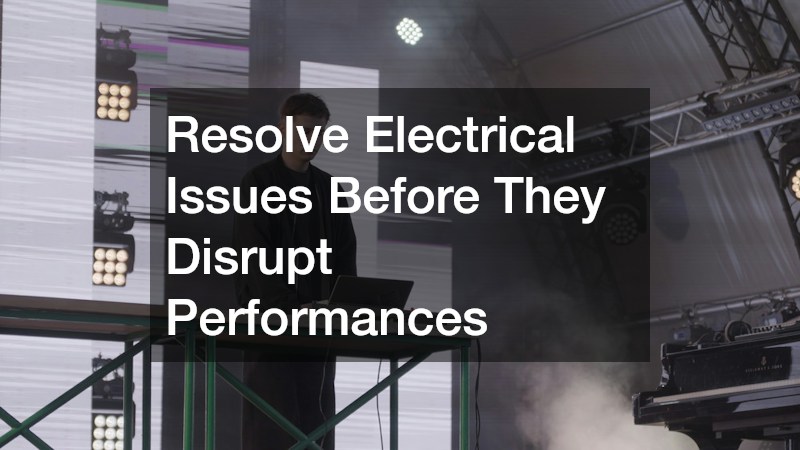
Concerts depend on electrical systems for sound equipment, lighting, video displays, and backstage facilities. Power problems can interrupt performances, damage equipment, or create hazards. Electrical planning should begin before equipment arrives.
The best electricians for a concert should have appropriate qualifications and relevant experience with temporary event power. They can help assess electrical loads, distribution equipment, grounding, protective devices, and applicable requirements.
Create a power schedule that identifies major equipment, locations, and electrical needs. Qualified personnel can use this information to determine whether available supplies are suitable. Never assume an outlet or circuit can safely support additional equipment without assessment.
Before the event:
- Review demand: Document equipment specifications and expected power requirements.
- Plan cable routes: Protect cables and keep them away from walkways and vehicle routes.
- Inspect installations: Have qualified personnel check connections and distribution equipment.
- Prepare for outages: Establish procedures for power loss and backup requirements.
- Control repairs: Restrict electrical work to authorized professionals.
Clear reporting procedures help staff communicate faults quickly. Electrical problems should be addressed safely rather than bypassed to keep a performance running.
Live music production brings together creative decisions, technical expertise, and detailed planning. Sound coordination, stage construction, crew communication, rigging, waste recovery, equipment sourcing, signal transmission, broadcast coverage, lighting, and electrical work all contribute to the final experience.
Effective preparation begins well before the audience arrives. Organizers should confirm equipment requirements, assign responsibilities, coordinate suppliers, schedule rehearsals, and document procedures for responding to problems. These steps help departments work together instead of reacting to avoidable conflicts during a performance.
Planning continues after the final song. An organized teardown protects reusable equipment, supports responsible material handling, and gives the production team useful information for future events. Reviewing what worked and what caused delays can also improve subsequent productions.
Behind every memorable concert is a network of people solving practical problems while supporting the performers’ creative vision. When technical planning and artistic goals receive equal attention, production crews can deliver engaging performances while managing resources and protecting everyone involved.